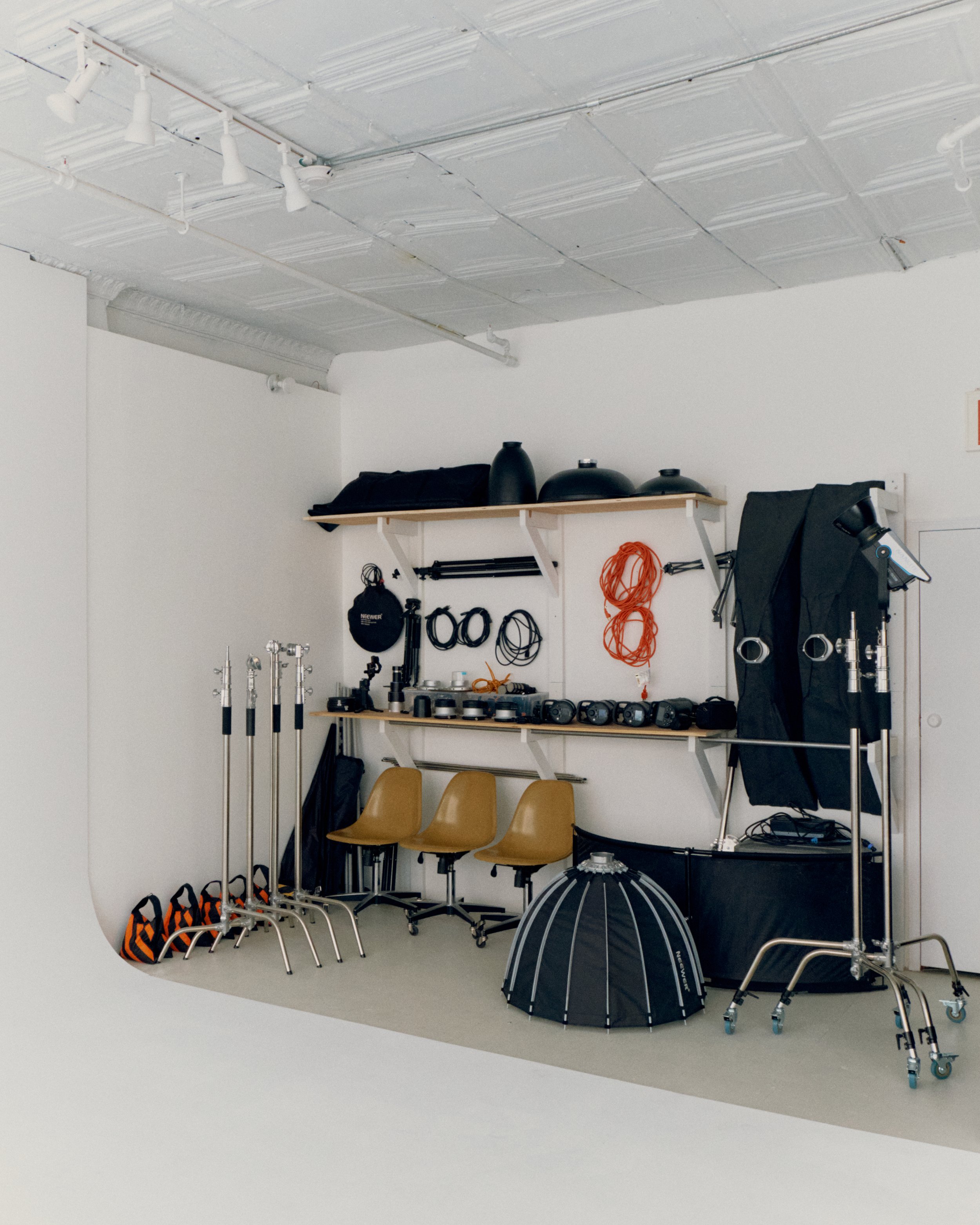
Studio Lighting and Image Construction
This course builds directly on Digital Photography for Beginners and is intended for students who are comfortable shooting in manual mode and want to develop a more controlled and intentional approach to lighting.
The focus moves beyond camera settings to understanding how light shapes an image, and how to construct photographs deliberately within a studio environment.
What You’ll Learn
By the end of the course, students will be able to:
Analyze light in terms of direction, quality, and contrast
Distinguish between hard and soft light and understand their visual impact
Set up and control basic studio lighting configurations
Use light modifiers (softboxes, reflectors, flags) to shape light
Maintain consistent exposure and lighting across a series of images
Approach a shoot with a defined visual intention
Course Structure
1. Principles of Light
An introduction to how light behaves, including direction, intensity, falloff, and contrast. Comparison between natural and artificial light.
2. Studio Lighting Fundamentals
Overview of essential lighting setups, including single light and key/fill configurations. Emphasis on cause and effect in lighting decisions.
3. Practical Studio Work
Students will work in small groups to build and adjust lighting setups. The focus is on controlled experimentation and repetition.
4. Review and Critical Feedback
Group review of selected images, with discussion focused on technical execution and consistency.
Course Details
Duration: 10 hours total (4 sessions, once per week, 2.5 hours per session)
Format: Small group (maximum 6 students)
Level: Intermediate
Requirements
Participants should be comfortable shooting in manual mode, and have a working understanding of aperture, shutter speed, and ISO
Outcome
Students will develop a practical understanding of studio lighting and gain the ability to shape and control light intentionally, resulting in more consistent and refined images.